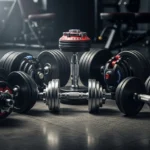
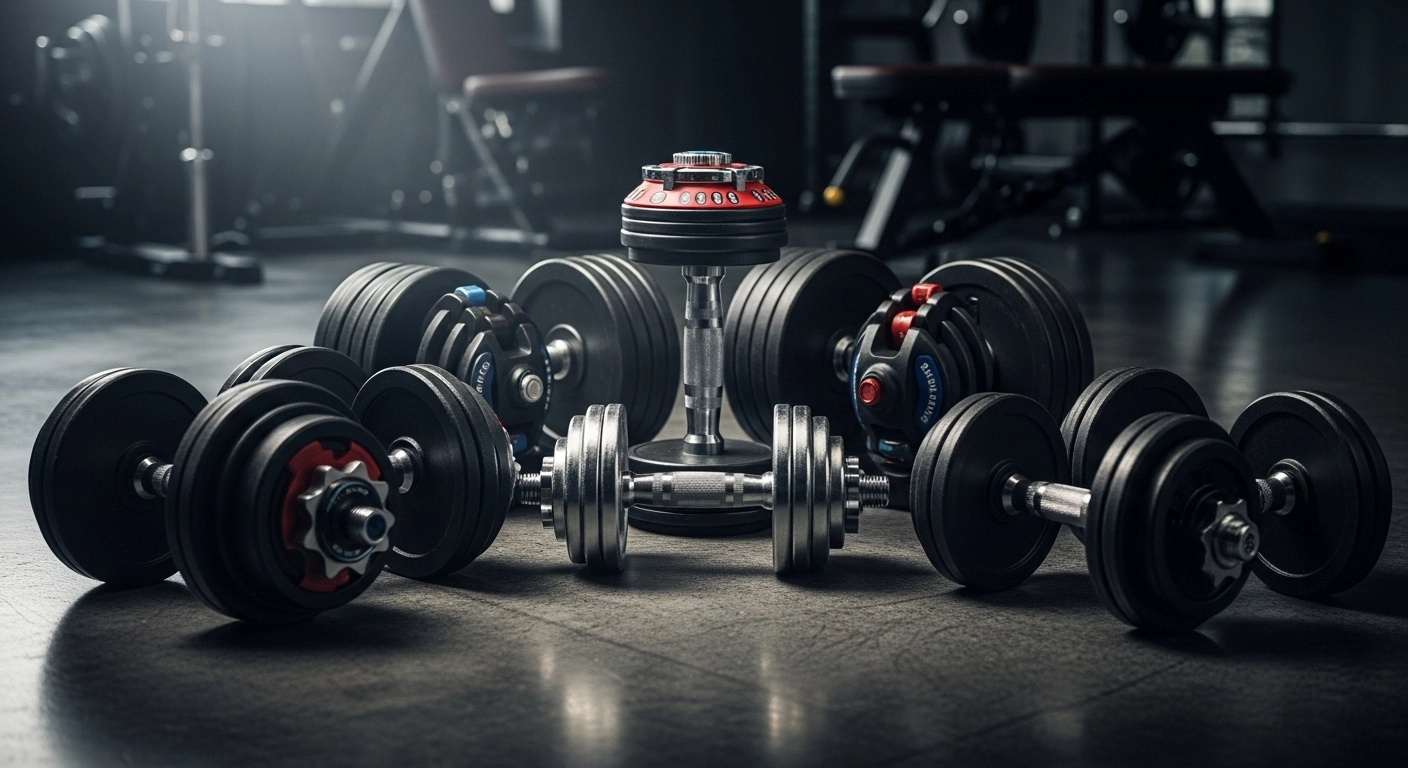
Somewhere between “I’ll start Monday” and “I bought a gym membership I’ve used twice,” most of us realise that the real answer to getting fit is dragging some heavy metal into our homes and hoping for the best. Welcome to strength training — the sport where you voluntarily make your muscles feel like they’ve been through a blender, then come back for more the next day.
Whether you’re a fresh-faced beginner who just watched one too many fitness TikToks, or a seasoned lifter whose garage already looks like a showroom for a mid-tier sports shop, picking the right equipment is genuinely important. And among all the weights, bands, and suspiciously-shaped foam rollers out there, the humble barbell remains the undisputed king.
A 60kg barbell setup sits in a sweet spot — heavy enough to make you feel like a serious person, not so heavy you need to sell your car to afford it. This guide is here to walk you through six solid products, explain what separates a good barbell from a very expensive door stopper, and help you build a home gym that your future self will actually thank you for (instead of using as a very expensive clothes rack).
Understanding Strength Training Equipment Fundamentals
The Role of Progressive Overload in Strength Development
Here’s the thing about muscles: they’re lazy. Comfortable, smug, totally content doing the bare minimum — exactly like a teenager on a sofa. The only way to make them actually grow is to keep nudging them outside their comfort zone, week after week, with slightly more weight or slightly more reps. That’s progressive overload in a nutshell.
The beauty of barbells and adjustable dumbbells is that you can fine-tune this in tiny increments — sometimes as little as 1.25kg at a time. Compare that to gym machines with their suspiciously large jumps between weight stacks (“the next peg is 10kg heavier? Sure, my rotator cuff will love that”).
Barbells vs. Dumbbells: Understanding the Difference
Think of a barbell as a dinner party — everyone grabs the same dish at the same time, things are coordinated, and you can load up the table significantly. Dumbbells, on the other hand, are more like a tapas situation. More variety, more individual attention, the core muscles at your party have to work harder to keep everything from falling off the table.
Barbells let you move heavier loads through big compound movements — squats, deadlifts, bench presses — the kind of exercises that make you look like you mean business. Dumbbells offer more range of motion and force your stabiliser muscles to earn their keep, which is brilliant for building functional, well-rounded strength.
Perfect for beginners dipping their toes into the warm, terrifying waters of strength training. Also great if you’re coming back from an injury, rehabbing something that went pop in an unfortunate way, or just want a reliable set of fixed dumbbells for the classic curls, lateral raises, and “I’m definitely exercising” bicep poses in the mirror.
Review
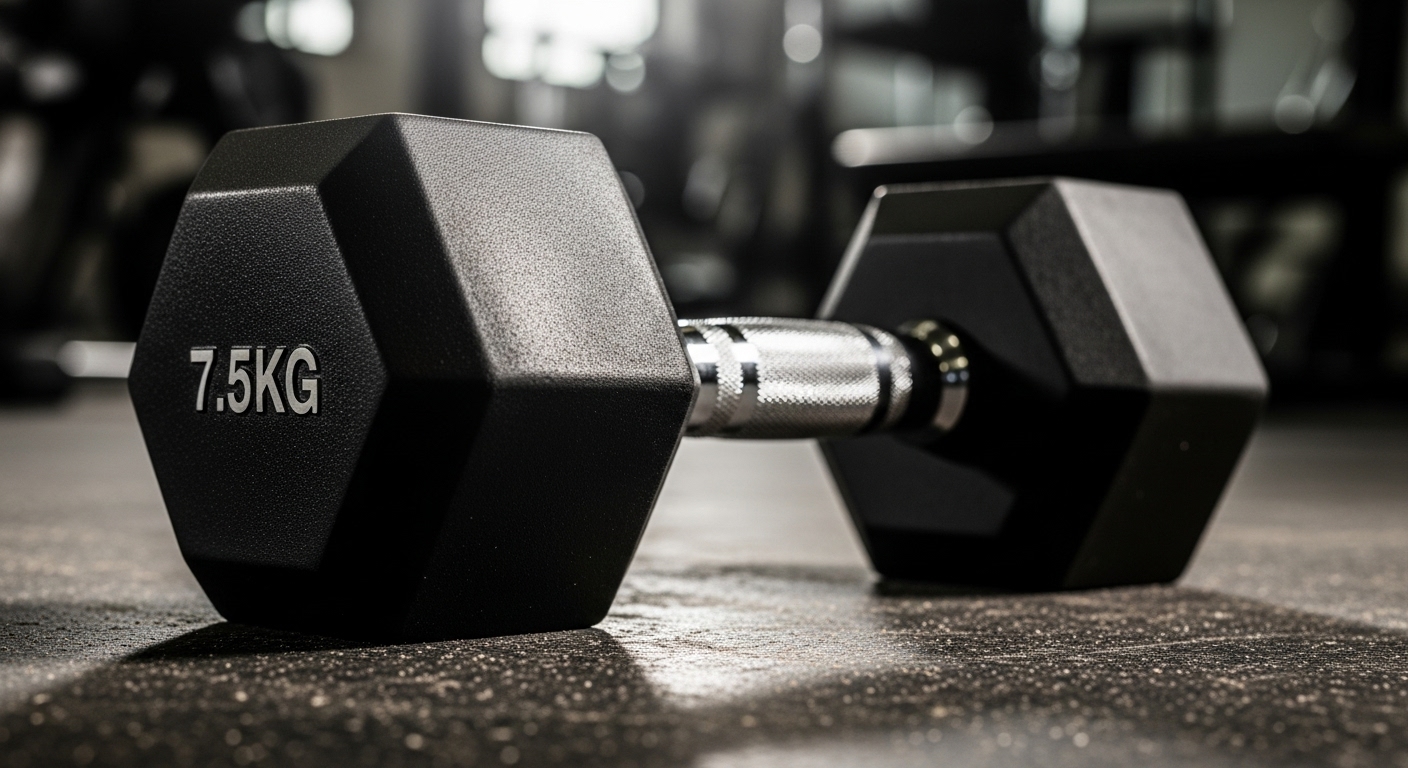
vidaXL’s fixed dumbbell set delivers no-nonsense value for the budget-conscious lifter who doesn’t need anything fancy — just something that does what it says on the tin, ideally without the tin collapsing. The cast iron construction is solid, the rubber coating keeps your floors from hating you, and the weight distribution is sensible.
The grip could stand to be a touch thicker (gloves help if you’re blessed with actual human-sized hands), and the rubber can pick up minor scuffs if you treat them like football boots. But for the price? Users consistently rate them highly, and honestly, for building a foundation of strength and getting your form sorted before you start slapping on big plates, these are genuinely excellent. Think of them as the starter Pokémon of home gym equipment.
Key Features
Cast iron plates with chrome-plated steel handles
Rubber-coated plates (your floors will send a thank-you card)
Multiple weight options in the set
Non-slip grip design
Compact and stackable — because no one has unlimited floor space
For the lifter who has outgrown “beginner” like a snake sheds its skin, and now needs equipment that can actually keep up with them. Designed for serious progressive training, compound movements, and the sort of workouts where you need to know the bar in your hands isn’t going to let you down at an inconvenient moment. (You know, like mid-deadlift.)
Review
These are the professional-grade option, and you can feel that the moment you pick them up. The construction is tight, the weight balance is excellent, and the knurled grip is properly grippy without shredding your palms like a cheese grater. The chrome finish does a sterling job of resisting corrosion — which matters if, like most of us, your home gym doubles as a slightly damp garage.
Yes, they cost more. But users who’ve committed to these report year after year of reliable service without a single complaint that couldn’t be solved by “stop dropping them on concrete.” For intermediate to advanced lifters investing in equipment for the long haul, these are the sensible choice — boring advice, genuinely good outcome.
Key Features
Professional-grade construction (it shows)
Precision weight tolerances — no surprises mid-set
Chrome-plated finish that actually lasts
Knurled grip for confident handling
Heavy-duty steel handles
Suitable for commercial use if you ever go full entrepreneurial with a garage gym
The “I want to do everything” option. This set caters to mixed-ability training, circuit-style workouts, and anyone who likes the idea of covering legs, upper body, and core without having to buy five separate things. Ideal if you’re running a training programme with a bit of variety, or if you simply can’t commit to just one type of exercise (no judgment — variety is the spice of life and all that).
Review
What this set does brilliantly is cover the bases without unnecessary redundancy. The comprehensive weight range means you can move seamlessly between exercises without hunting around for missing plates or improvising with a bag of potatoes. The build quality is consistent across all pieces — no suspiciously light plates that clearly snuck through quality control.
The one gripe some users raise is the packaging — boxes that have clearly been designed by someone who has never had to ship anything fragile. But the equipment itself typically arrives in great nick, and once you get past the unboxing frustration, the set delivers exceptional value. For building a proper, well-rounded training space without doubling up on kit you don’t need — this is the one.
Key Features
Comprehensive weight selection for varied training
Cast iron plates, chrome-plated handles
Rubber-coated plates for quiet, floor-friendly training
The apartment dweller’s best friend. If your “home gym” is technically a corner of the living room that your housemates have agreed not to comment on, the HOMCOM adjustable set is your answer. Fast weight changes, minimal footprint, and the ability to go from light rehab work to a proper strength session without needing more floor space than a yoga mat.
Review
HOMCOM’s adjustable system punches well above its weight (pun absolutely intended). The 30kg total capacity covers beginners and intermediate lifters comfortably, and the quick-change plate system means transitions between exercises don’t require the kind of patience you’d need to, say, defuse a bomb.
The steel core with plastic coating isn’t quite as premium-feeling as chrome cast iron, and a few users have noted minor plate movement over time with heavy use. But the non-slip grips are genuinely reliable, the 2-in-1 barbell/dumbbell capability is a properly useful bonus, and the stacking design is clean. For space-conscious training, these are hard to beat. They’re the IKEA KALLAX of home gym equipment: slightly unglamorous, perfectly functional, and exactly what you actually need.
Key Features
30kg total weight — adjustable in proper increments
Steel core with PU coating (floors and shins both thankful)
Non-slip grip handles
Quick-change plate system — no faffing between sets
Converts from dumbbell to barbell: the Swiss Army knife of weights
You’ve outgrown the dumbbells. You want to squat, press, deadlift, and row with a proper bar. You want to tell people you train with a barbell without it being a lie. The Hop-Sport progressive set is built for this exact moment in a lifter’s journey — the exciting crossover from “dumbbell person” to “actual barbell person.”
Review
Hop-Sport have put together a set that genuinely impresses for the price. The spinlock collars do their job without drama — plates stay put even during more aggressive lifting. The black-coated steel bars are durable and sensibly weighted, and the progressive plate selection (1kg, 1.25kg, 2.5kg, 5kg increments) makes meaningful progressive overload actually achievable rather than an aspirational concept.
The short bars are a nice touch for dumbbell-style work, and the main 120cm bar handles compound movements well. Some users find the plate organisation during transport could be more intuitive — think of it as a minor puzzle you solve once and then never think about again. Overall, for an intermediate lifter building their first serious barbell setup, this is brilliant value.
Key Features
Progressive plate system — small jumps between increments
Spinlock collars that actually hold
120cm main bar + two 54cm short bars
Black protective coating
Composite plates — noise-reducing design
Doubles as a dumbbell setup with the short bars
Specifications
Spec
Detail
Total Weight
~60kg
Bar Lengths
120cm (main), 54cm × 2 (short)
Bar Diameter
25mm
Plate Weights
1kg, 1.25kg, 2.5kg, 5kg
Collar Type
Spinlock
Plate Material
Composite (black coated)
Best For
Intermediate lifters, progressive barbell training
6. IM Fitness Ironman Standard Three-Piece Barbell
This is for the lifter who has graduated from “dabbling” and is fully committed to the bit. Olympic-style movements, competitive lifting preparation, or simply the kind of person who wants equipment that will outlast them and possibly their children. This bar means business, and it would like you to take it seriously.
Review
The Ironman three-piece Olympic bar is the fancy option, and it earns the title. Chrome-plated steel, rotating sleeves that spin like they’re on bearings (they are), and a three-piece modular design that means you can actually get it out of a car without dislocating a shoulder. The modularity is genuinely clever — full Olympic performance, sensible transport.
The rotating sleeves are the headline feature: they reduce wrist torque during Olympic-style movements significantly, and once you’ve used a properly rotating sleeve, going back to a fixed one feels like trading your new car in for a horse. The spring collars hold securely, and the 350kg load capacity means you are categorically never going to max this bar out in your home gym. (If you do, please contact us. We have questions.)
Key Features
Three-piece modular assembly — fits in a normal car
Chrome-plated steel: corrosion-resistant and handsome
Rotating sleeves — wrists will be delighted
Spring collars included
Olympic standard sleeve diameter (50mm)
Up to 350kg load capacity (you won’t need this, but it’s nice to know)
Specifications
Spec
Detail
Bar Weight
20kg
Bar Length
219cm (Olympic standard)
Material
Chrome-plated steel
Sleeve Type
Rotating with bushings
Collar Type
Spring (included)
Assembly
Three-piece modular
Load Capacity
Up to 350kg
Hole Diameter
50mm (Olympic standard)
Best For
Olympic lifting, powerlifting, serious home gyms
Comprehensive Equipment Comparison
Feature
vidaXL Different
vidaXL Professional
vidaXL Training
HOMCOM Adjustable
Hop-Sport 60kg
Ironman Olympic
Type:
Fixed Dumbbells
Fixed Dumbbells
Dumbbell Set
Adjustable
Barbell Set
Barbell Set
Weight Range:
Various
Various
30kg Total
30kg Total
60kg Total
350kg+ Capacity
Space Requirement:
High
High
High
Low
Medium
Medium
Price Range:
Budget
Premium
Mid-Range
Budget
Mid-Range
Premium
Best For:
Beginners
Advanced
Intermediate
Apartments
Progressive Training
Olympic Lifting
Storage:
Floor Racks
Floor Racks
Stackable
Stackable
Compact
Modular
Versatility:
Limited
Limited
Good
Excellent
Excellent
Excellent
Barbell Training:
No
No
No
Optional
Yes
Yes
Understanding Different Barbell Types and Standards
Olympic bars are built to international competition standards — consistency is the whole point. Standard bars cost less, weigh less, and suit general training at home just fine. For most people buying a 60kg setup, a standard or hybrid bar is the sensible, unglamorous, correct choice.
Barbell Specifications That Matter
Once you’ve decided on Olympic or standard, a few more specs actually affect your training:
Length: Longer bars (up to 7 feet) give you more room for wider grips and plate-loading real estate. Shorter bars suit smaller spaces and people who don’t intend to squat with a full competition stance in their kitchen.
Sleeves and bushings: Rotating sleeves reduce wrist strain during explosive movements. If you’re doing Olympic lifts, this matters enormously. If you’re mainly doing rows and curls, less so, but still a nice feature.
Load capacity: Always check this. It’s printed on the bar for a reason. Exceeding a bar’s rated capacity is not a test of bravado — it’s a test of how fast your local A&E moves.
Building an Effective Home Gym Strategy
Selecting Equipment for Your Experience Level and Goals
Honest self-assessment is the unsexy foundation of a good equipment decision. Beginners: you do not need an Olympic bar and full competition plates. A set of adjustable dumbbells and some modest fixed weights will teach you far more about form and progressive training than jumping straight to the serious stuff. Intermediate lifters hit the sweet spot with a 60kg barbell set — enough challenge to drive real progress, enough flexibility to train all the major movement patterns.
Advanced athletes know what they need and probably don’t require this section to tell them. (Though we appreciate you reading anyway.)
If you want a great complementary cardio option for your home gym, the XS Sports Rowing Machine pairs brilliantly with barbell training — it works the pulling muscles your bench press ignores, and it’s absolutely brutal in the best possible way.
Progressive Training Principles and Exercise Science
The 60kg barbell sets reviewed here are ideal for this. They’re not toys, but they’re not so intimidating that you’ll spend three weeks just staring at them. Start, progress, repeat. That’s the whole game.
Space and Storage Considerations for Home Workouts
Let’s be real: most home gyms are a compromise. Fixed dumbbell sets are brilliant but require dedicated floor or rack space that a London flat simply does not offer. Adjustable systems (hello, HOMCOM) solve this beautifully by cramming multiple weight options into the same footprint as a shoebox.
Barbells, despite looking enormous, can actually be wall-mounted on inexpensive storage hooks and take up less real estate than most people expect. Think vertically, not horizontally. Honest assessment of your available space before buying prevents the all-too-common scenario of expensive equipment that lives in the hallway and trips people.
Frequently Asked Questions About Strength Training Equipment
Q1: What’s the ideal starting weight for beginner lifters?
For dumbbells, most women find 2–8kg sensible to start with; most men do well with 5–20kg. The magic rule: pick a weight where 8–12 reps feel genuinely challenging by the end, but you’re still in control throughout. If it feels easy, go heavier. If your form looks like you’re trying to swat a wasp, go lighter. Adjustable systems are perfect here because you can dial in the exact weight without committing to anything.
Q2: Can I build serious muscle with a 60kg barbell set?
Absolutely. The vast majority of meaningful strength development happens well within 60kg, especially for intermediate lifters. Progressive overload doesn’t require elite powerlifting loads — it requires consistent, incremental increases over time. Many excellent physiques have been built with nothing more than a sensible barbell programme and a willingness to show up regularly. Consistency beats maximum poundage every single time.
Q3: How do I choose between adjustable and fixed dumbbells?
Adjustable: ideal for small spaces, apartment living, varied workouts, and keeping your spending sensible. Fixed: better for heavy training, no adjustment faff between sets, and dedicated gym setups where space isn’t a limiting factor. If you’re working out in a converted garage: fixed. If your gym is a corner of the spare room: adjustable. If you have the space for both: you’re clearly better at adulting than the rest of us.
Q4: Are barbells necessary for a home gym?
Not for basic fitness — a solid set of dumbbells will serve most people perfectly well. But for serious strength development, barbell compound movements are genuinely hard to replicate. They allow heavier loading, recruit more muscle mass, and build the kind of functional full-body strength that dumbbells alone can’t quite replicate. If your goal goes beyond general health into actual performance, a barbell is a worthwhile addition.
Q5: What’s the difference between Olympic and standard weight plates?
Olympic plates: 2-inch hole, heavier and larger, compatible with Olympic bars only. Standard plates: 1-inch hole, more compact, compatible with standard bars only. Mix them up and you’ve created a creative but unsafe situation. Check your bar, buy matching plates. Problem solved, joints preserved.
Q6: How much space does a barbell setup require?
The bar itself needs 4–6 feet of horizontal space, plus roughly 2 metres of clearance either side for you to actually move. Wall-mounted storage hooks dramatically reduce the floor footprint. A basic setup in a modest garage is entirely achievable with some planning — and possibly re-homing that collection of boxes you’ve been meaning to deal with since 2022.
Q7: What’s the typical lifespan of quality exercise equipment?
Decades, if you treat it reasonably. Chrome-plated equipment handles moisture well. Cast iron needs a bit more attention — keep it dry and it’ll outlive your gym membership ten times over. Wipe it down after use, don’t leave it in standing water, and store it properly. That’s about the full extent of the maintenance protocol.
Q8: Should I invest in a barbell or focus on dumbbells?
Both, ideally — but if you have to choose, it depends on your goals. Competitive lifting or strength sport: barbell. General fitness and muscle building: dumbbells get you 80% of the way there and then some. A sensible home gym builds around a barbell for compound lifts and dumbbells for isolation and variety. It’s the fitness equivalent of owning both a good knife and a decent cheese grater: technically separate tools, but together they cover everything.
Q9: What dumbbell exercises work best for muscle building?
Dumbbell press (chest, shoulders, triceps), dumbbell rows (back, biceps), dumbbell curls (arms specifically), and goblet squats (legs, core, and a good opportunity to question your life choices around rep 10). Combine these across a structured week and you have a complete programme.
Q10: How often should I incorporate barbell exercises into my routine?
2–4 times per week is the well-evidenced sweet spot. Beginners: 2–3 sessions, with proper rest between. Intermediate/advanced: potentially 4, with sessions split between upper and lower body. The 48-hour recovery rule for the same muscle groups is genuinely important — your body gets stronger during rest, not during the workout itself. This is, incidentally, a very good excuse to take days off.body gets stronger during rest, not during the workout itself. This is, incidentally, a very good excuse to take days off.training—optimises muscle recovery and strength gains through sound exercise physiology principles.
Optimising Your Training with Selected Equipment
Programming for Dumbbell Sets
Fixed dumbbells shine brightest in circuit-style training and isolation work. Build sessions around movement patterns rather than individual muscles: horizontal push (press), horizontal pull (row), vertical push (shoulder press), vertical pull (upright row or raise), and legs (goblet squat, lunge). That’s essentially a complete programme in five movement categories. Add some core work and a five-minute warm-up, and you’ve done more than most gym members who spent the same time admiring themselves in the mirror.
Adjustable dumbbells open up superset programming — pairing opposing movements back-to-back — because the weight adjustment is quick enough not to kill your momentum. This makes workouts more time-efficient, which is handy if you have approximately 45 minutes before real life reasserts itself.
Maximising Barbell Potential
The barbell’s superpower is compound movements — big, multi-joint exercises that recruit enormous amounts of muscle simultaneously. The key four:
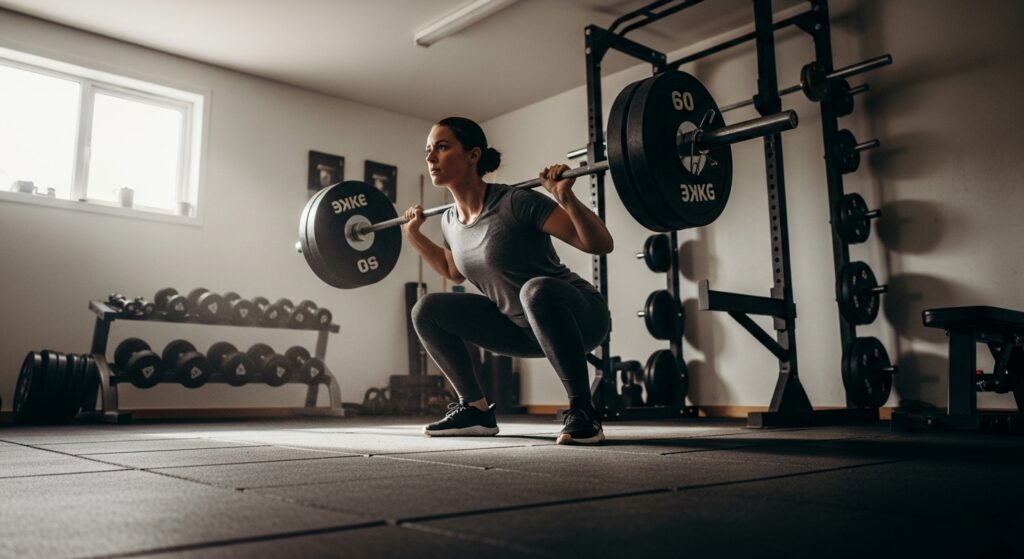
Squats: Bar across the upper back, lower down under control, drive back up through your heels. Engages literally everything south of your armpits — quads, glutes, hamstrings, core, the works.
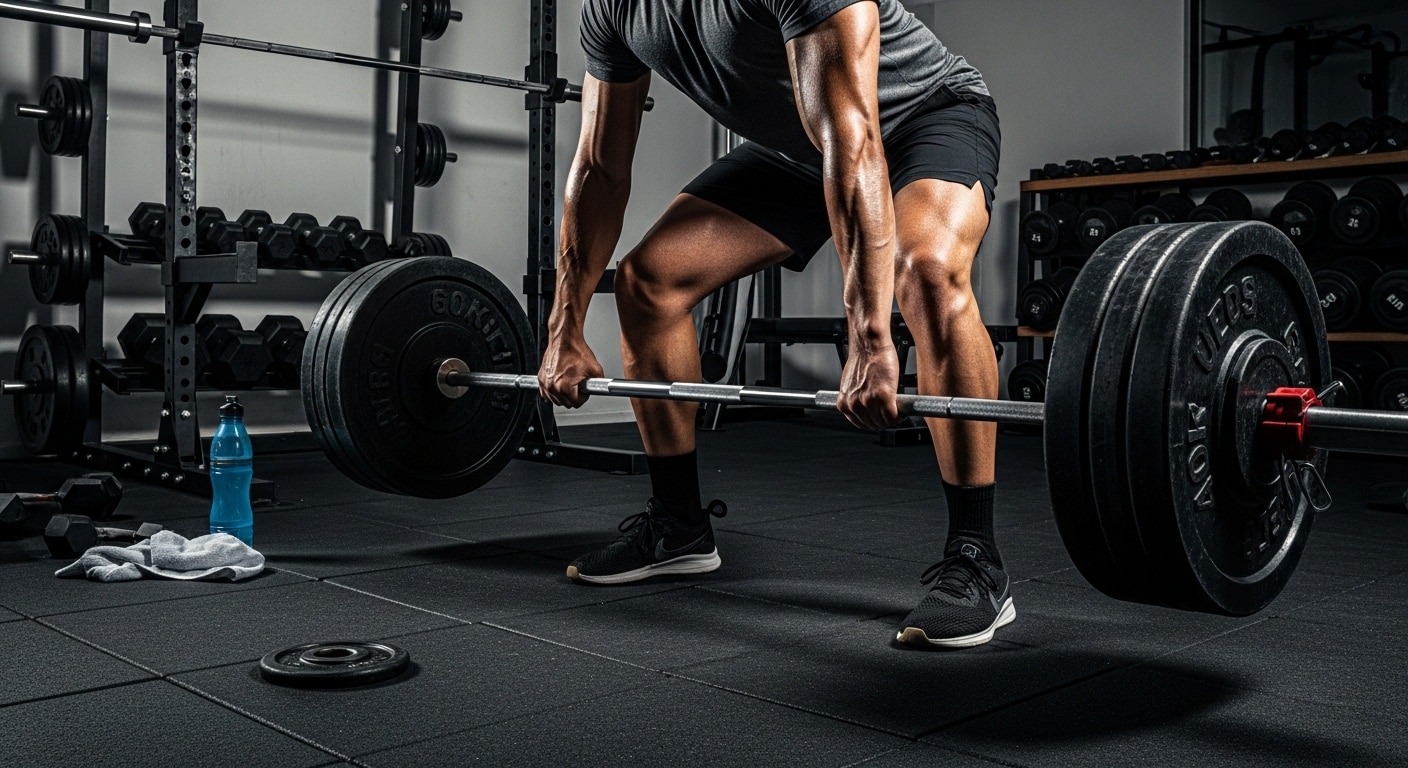
Deadlifts: Hinge at the hips, maintain a neutral spine, lift the bar from the floor using hip and knee extension. The posterior chain’s greatest hit. Your back, glutes, and hamstrings will know they’ve been to work.
Bench Press: Flat on a bench, bar at chest level, press upward until arms extend. Chest, shoulders, triceps — the classic upper body push.
Bent-Over Rows: Hinge forward while keeping your back straight, pull the bar toward your abdomen. The pulling counterpart to the bench press, and the exercise most commonly neglected by people who want a good chest but don’t want sore elbows later in life.
Two to three times a week, rotating through these movements with appropriate progressive loading: that’s a complete programme. The 60kg sets reviewed here handle this perfectly.
Structuring Effective Exercise Programs
Three to five sessions per week is the general sweet spot. Each session should feature a proper warm-up (dynamic stretching, light-weight run-throughs — not optional, not just something other people do), your main compound work, some accessory exercises, and a sensible cool-down.
Progress loads by 2–5% between sessions — not 20%, not “I feel good today so I’ll just double it.” Patience is a training virtue. The athletes who progress consistently are rarely the ones who train hardest in week one; they’re the ones who still turn up in month eight.
Maintenance and Safety Considerations
Proper Equipment Care and Longevity
After every session: wipe down with a cloth. Particularly if you’ve been sweating on it, which — if you’re training properly — you have. Store equipment away from standing water or excessive dampness (garages in Britain require particular vigilance here). Check rubber coatings periodically for wear; inspect collars for any looseness; confirm plates don’t have hairline cracks developing. Thirty seconds of checking saves a lot of inconvenience later.
Chrome holds up well with minimal effort. Cast iron needs a slightly drier environment. Neither requires a dedicated maintenance schedule so complex you’d need a calendar reminder — just common sense and a dry towel.
Safe Training Practices and Injury Prevention
Proper form first, weight second. This is the principle most people understand intellectually and ignore in practice. Video yourself. Ask someone who knows what they’re looking at. Use a coaching session. Bad form is not a character flaw — it’s just something to fix before the weight gets heavy, rather than after something goes wrong.
Warm up properly. Not one half-hearted shoulder rotation and calling it done. Dynamic movement, light sets at your target exercise, five to ten minutes of actual preparation. Your joints will remain grateful for decades.
Progress gradually. 2–5% increments between sessions. Resist the temptation to make dramatic jumps just because you feel particularly invincible on a Tuesday. You’re not invincible. Your tendons are not invincible. The weights, annoyingly, don’t care.
Rest adequately. 48 hours minimum between training the same muscle groups. Sleep. Eat enough protein. These aren’t optional extras for serious results — they’re half the programme.
Distinguish discomfort from pain. Muscles burning during a hard set: expected, fine, essentially the point. Sharp pain in a joint mid-exercise: stop immediately, assess, do not “push through” this one. Your future self will write you a letter of thanks.
The Science Behind Strength Development
Understanding Muscle Hypertrophy and Growth
Here’s the oversimplified but broadly accurate version: you train, you create micro-damage in muscle fibres, your body repairs them slightly bigger and stronger than before, and repeat until you are noticeably more capable than when you started. The key variable is adequate stimulus — training in the 65–85% of maximum effort range — combined with enough protein and sleep to support the repair process.
This is also why the “just do more” approach has diminishing returns. There’s a point at which volume stops producing adaptation and starts producing fatigue. Programming your training sensibly — hard enough to drive progress, not so hard you can’t recover from it — is where the actual science lives.
Role of Stabiliser Muscles
Barbells and dumbbells engage all the supporting muscles your body uses to keep things stable during movement. This is genuinely valuable for real-world strength — the kind that means you can carry heavy shopping bags without drama, lift things off the floor without wincing, and generally move through life like a functioning adult. Machines largely remove this element. Free weights keep it.
Dumbbell exercises typically require more stabilisation than barbell work, which is one reason mixing both is better than relying on either alone.
Body Composition Improvement
Consistent strength training does something aesthetically useful: it increases your muscle mass while helping manage body fat. More muscle means a higher baseline metabolic rate, better insulin sensitivity, improved posture, and the practical benefit of being visibly stronger-looking without having to explain it to anyone. This transformation happens gradually, over months of consistent training — not in three weeks, despite what certain fitness accounts on Instagram might have you believe.
Building a Sustainable Fitness Lifestyle
Consistency and Long-Term Commitment
The most effective training programme is the one you actually do. Frequently. For years. This sounds obvious, but it genuinely undercuts almost every other fitness principle in terms of practical importance. A moderate programme executed consistently for twelve months will produce dramatically better results than an optimal programme abandoned in week five because it was too complicated or too time-consuming.
Build training into your schedule like any other regular commitment — not as something you’ll get around to if the evening clears up. Protect the time. Lower the barrier to entry (having your equipment at home is already doing this). And accept that motivation fluctuates; discipline is what carries you on the days motivation doesn’t show up.
Finding Your Fitness Community
Training with others — in person or through online communities — improves adherence significantly. This isn’t a soft observation; it’s a consistent finding. Accountability is powerful. Having someone expect you to report back on your deadlift PR is surprisingly motivating when it’s 6am and the bed is warm.
Fitness Motivation and Progress Tracking
Write down your lifts. Every session. Weights used, reps completed, notes on how it felt. This gives you tangible evidence of progress on the days when you can’t quite remember why you started, and it turns vague “I think I’m getting stronger” feelings into concrete data. Progress is real; documentation just makes it visible.
Financial Investment and Equipment Value
Budgeting for Home Gym Equipment
A functional starter setup: £200–500 for basic dumbbells and space for them. A mid-level setup with barbells, adjustables, and decent storage: £500–1,500. A full serious home gym: potentially £2,000+, though this is firmly in the “committed enthusiast” category.
The long-game maths on home gym equipment is quietly compelling: a quality piece of kit used regularly over 10–20 years costs pennies per session. Gym memberships, in comparison, have a way of continuing to charge you even during the months you’ve definitely been “about to go back.”
Equipment Value and Return on Investment
Beyond the financial calculation, quality equipment at home removes several of the usual friction points that stop training happening: commute, opening hours, the mild social anxiety of the weights floor, and the mysterious queue for every piece of equipment you actually want. The accessibility of home training is a genuinely underrated feature. When the barrier is “walk to the garage,” the dropout rate plummets.
Avoiding Common Purchasing Mistakes
Do not buy equipment to match a programme you haven’t started yet. Do not buy specialised kit before you’ve mastered general kit. Do not buy cheap barbells that will develop a bow and questionable collars within a year. Read reviews from people who have actually used the equipment for more than a week. And resist the siren call of anything that promises transformation with minimal effort — the weight still has to be lifted. It will always have to be lifted.
Final Thoughts and Recommendations
Six products, all good — but for different people. Here’s the quick version:
Start here:HOMCOM Adjustable Dumbbells if you’re in a smaller space, or the vidaXL Dumbbell Set (Different Weights) if you have the room and want simplicity.
The 60kg barbell concept — sufficient for intermediate training, manageable for residential settings, affordable for most budgets — represents one of the better starting points in the home gym world. It grows with you as you get stronger and keeps the training honest.
Whatever you buy: use it. Consistently. That’s the part that produces results, not the quality of the equipment (though decent equipment certainly helps). Start where you are, progress methodically, enjoy the process of getting gradually stronger. Your future self — the one who can squat more, carry more, and move better through life — will be unreasonably grateful.
Wrapping It Up
The home gym revolution is fully, properly here, and it is excellent news for anyone who has ever spent 20 minutes driving to a gym, waited for a squat rack, and driven home slightly cross. With the right equipment — whether that’s adjustable dumbbells for a compact flat or a full 60kg barbell setup for a dedicated space — genuinely effective strength training is available to anyone willing to put in the work.
The products reviewed here represent some of the better value in the UK market right now. They’re not gimmicks, they’re not magic, and they won’t bench press for you. But they will reliably hold the weight you put on them, session after session, year after year — provided you show up and actually use them.
Begin with realistic expectations and appropriate equipment for where you are right now, not where you aspire to be in six months. Embrace progressive overload, respect your recovery, and remember that strength training is a years-long game, not a months-long sprint. The gains come to those who are boringly consistent.
Now go move something heavy. Future you will be delighted.
Notes: Information compiled from authoritative fitness sources, expert exercise science research, manufacturer specifications, and verified customer feedback. Product availability and pricing may vary. Always verify current specifications on retailer websites before purchase. Recommended for users 18+ with basic strength training knowledge. Always consult healthcare professionals before beginning new training programmes, particularly if you have pre-existing health conditions or take medications affecting exercise response.
Authority Sources Referenced:
Cornell Learning: Benefits of Barbell Training for Strength Development
PMC/NCBI: Effects of Progressive Barbell Training on Muscle Strength and Hypertrophy
Mirafit: Standard vs Olympic Barbell Comparison Guide
Strength Shop: Professional Barbell Selection Guidance
Jodie Carter is a REPS Level 3 certified personal trainer with over 8 years of experience in strength training and home gym design. She holds qualifications in exercise physiology and has helped over 500 clients design effective home workout spaces. Jodie regularly contributes to UK fitness publications and maintains continuing education in the latest exercise science research.
Disclosure: This article contains affiliate links to products I personally use and recommend. When you purchase through these links, I may earn a small commission at no additional cost to you. All recommendations are based on my genuine experience and testing—I only recommend products I actually use in my own home.
Introduction Let me paint you a picture. It’s 7am. You’ve just watched a motivational YouTube montage of people grunting heroically in gym wear that costs more than your rent. You’re fired up. You open a new tab and type: “what dumbbell should I buy.” Forty-five browser tabs later, you’ve somehow…
By Isla Whitmore Fashion specialist Let’s be honest with each other. You didn’t end up on this page because you were casually browsing the internet with absolutely no direction in life. You ended up here because you want a Harley-Davidson long sleeve top, you’re in the UK, and you’d quite…
Let’s be brutally honest with each other for a moment. You didn’t end up on this page because you’re casually curious about adjustable dumbbells. You’re here because you made a deal with yourself — probably sometime around the 2nd of January, right after the last Quality Street disappeared — that…
We use cookies to ensure that we give you the best experience on our website. If you continue to use this site we will assume that you are happy with it.